
Cas
Curated by Nixon for Jon Ariza

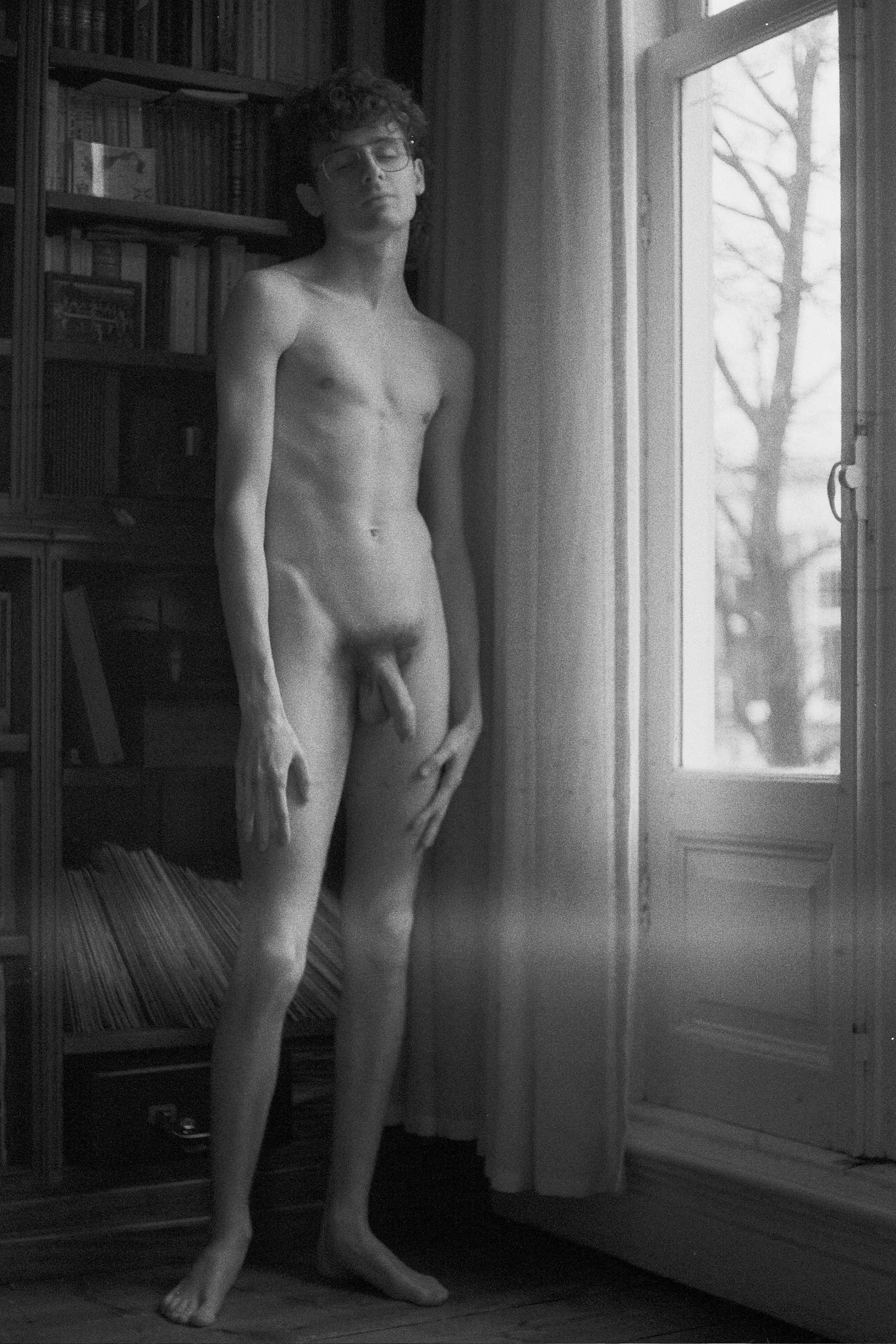
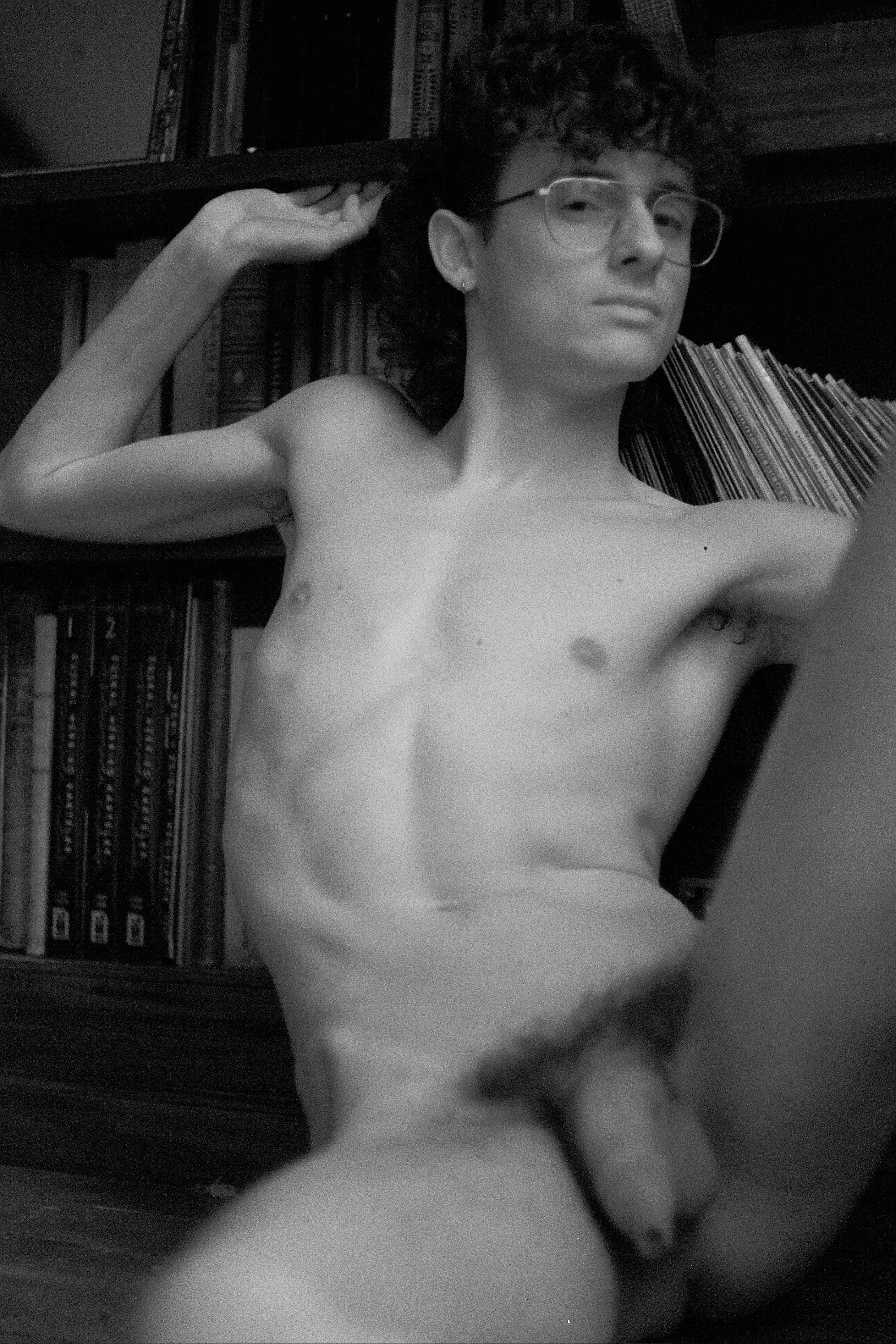

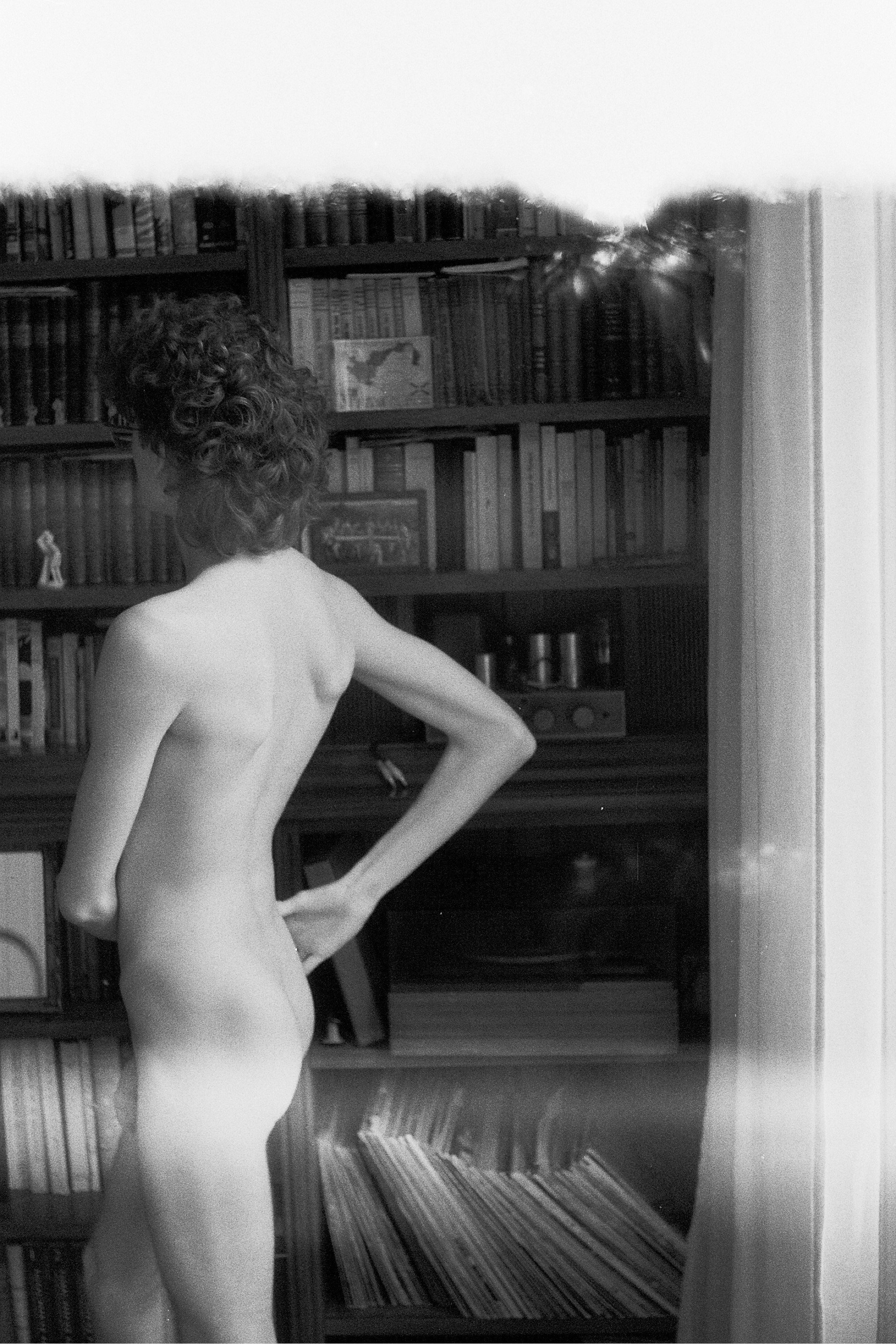



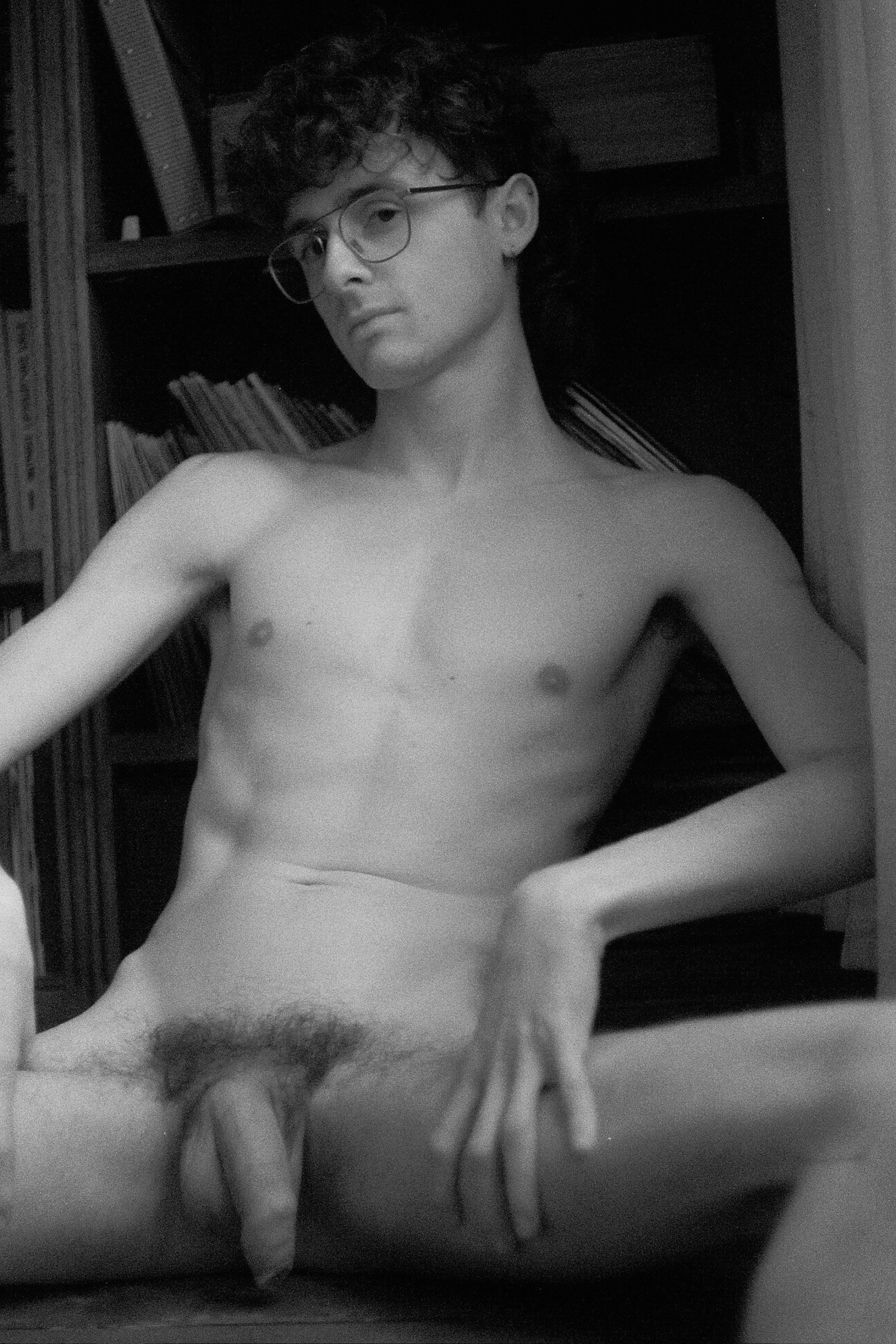

Jon Ariza De Miguel @jonchikdub photographs Cas in this intimate series published by BON #boysofnarcissusThis intimate series by Jon Ariza featuring Cas unfolds like a quiet confession—merging literary romanticism, 1970s European art photography, and the hushed sensuality of private interiors. Shot in grainy black and white, the work feels suspended between memory and presence, as if rediscovered in an old drawer of negatives.
1. Photographic Era & Art History Influences
The strongest visual reference lies in mid-to-late 20th-century European homoerotic portraiture—echoing the psychological stillness of Herbert List and the diaristic vulnerability of Peter Hujar. The soft grain, available window light, and unguarded nudity recall analog film studies where atmosphere matters more than spectacle.
There is also a literary quality embedded in the setting: bookshelves, narrow windows, textured interiors. The domestic space becomes a thinking space. Cas is not styled into myth—he is framed as intellect and body coexisting. His elongated poses and slight angularity subtly nod to Egon Schiele’s expressionist figure studies, though rendered here with gentler restraint.
The softness of focus and tonal gradation feel reminiscent of pictorialism, where photography aspired toward painting—yet Jon keeps the realism intact, allowing skin, shadow, and bone structure to speak plainly.
2. Aesthetic Mistaken Identity
At first glance, the series could be mistaken for rediscovered 1970s art-house photography or archival images from a small European queer publication. The grain and quiet eroticism suggest something historical—almost pre-digital in spirit.
Some frames, especially those by the window, might evoke early New Wave cinema stills or experimental student film photography. The intimacy could be misread as voyeuristic, but it functions instead as introspective documentation—less about exposure, more about interiority.
3. Narrative Vibe
Cas appears suspended between contemplation and becoming. His gaze drifts, his body curves into the architecture, his gestures are unforced. There is a tension between fragility and awareness—boyhood giving way to self-recognition.
The books behind him act almost as silent witnesses. The window light becomes a metaphor for transition—inside and outside, private and public, youth and identity.
Overall, the series exists at the intersection of intellectual sensuality and analog romanticism. It feels personal, archival, and timeless—an exploration of the male form not as spectacle, but as quiet self-study.