
Richelano
Curated by Nixon for Jon Ariza
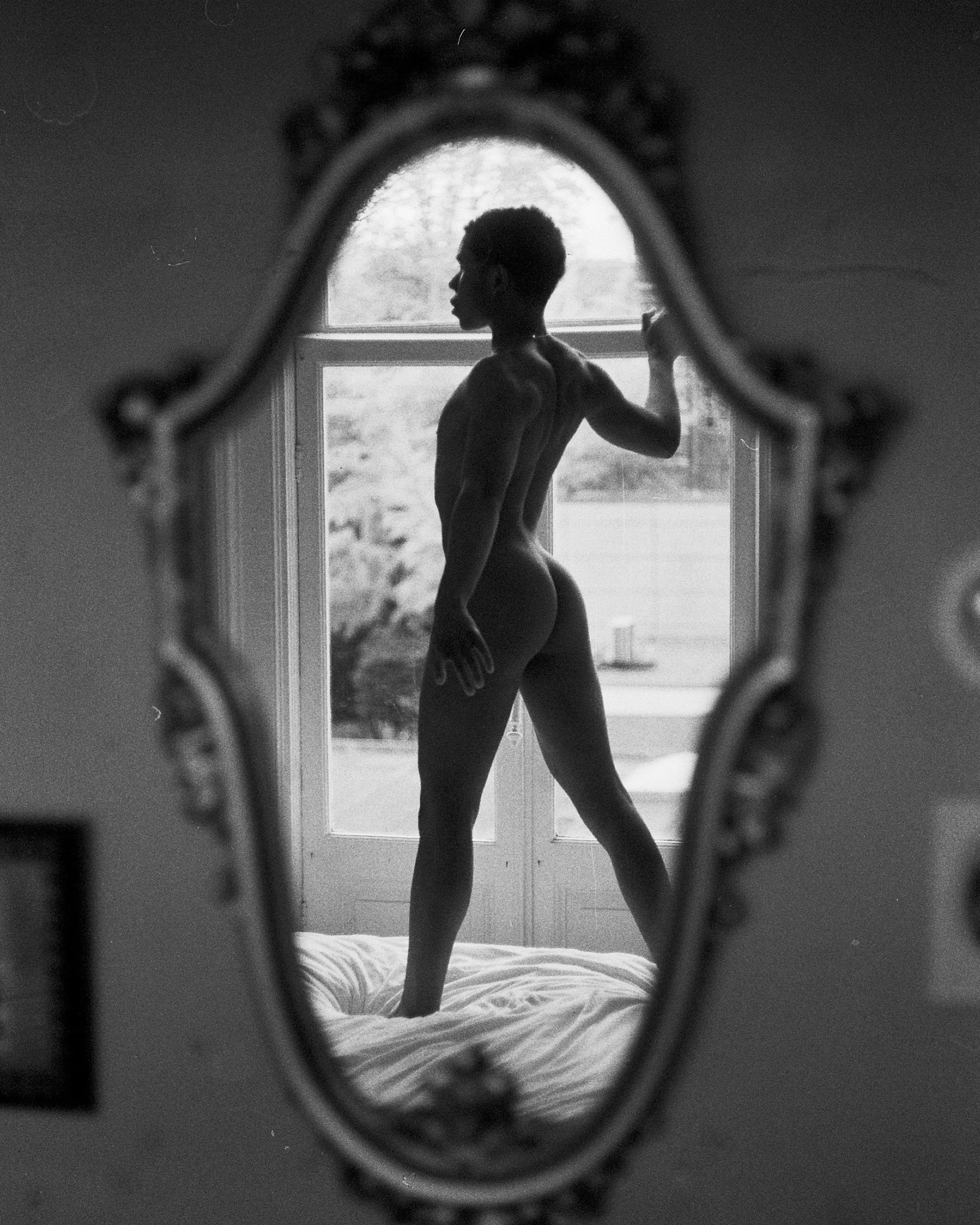
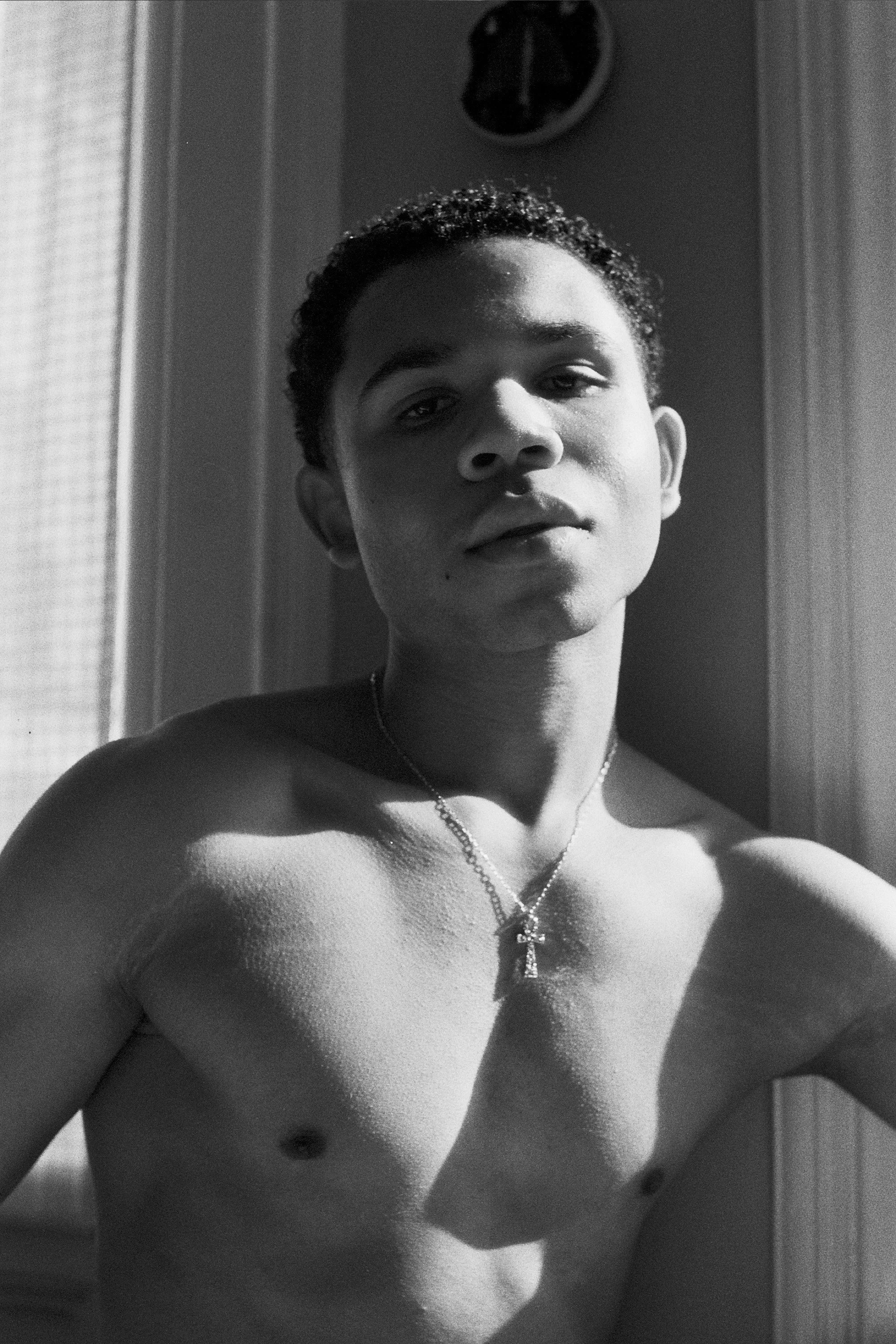
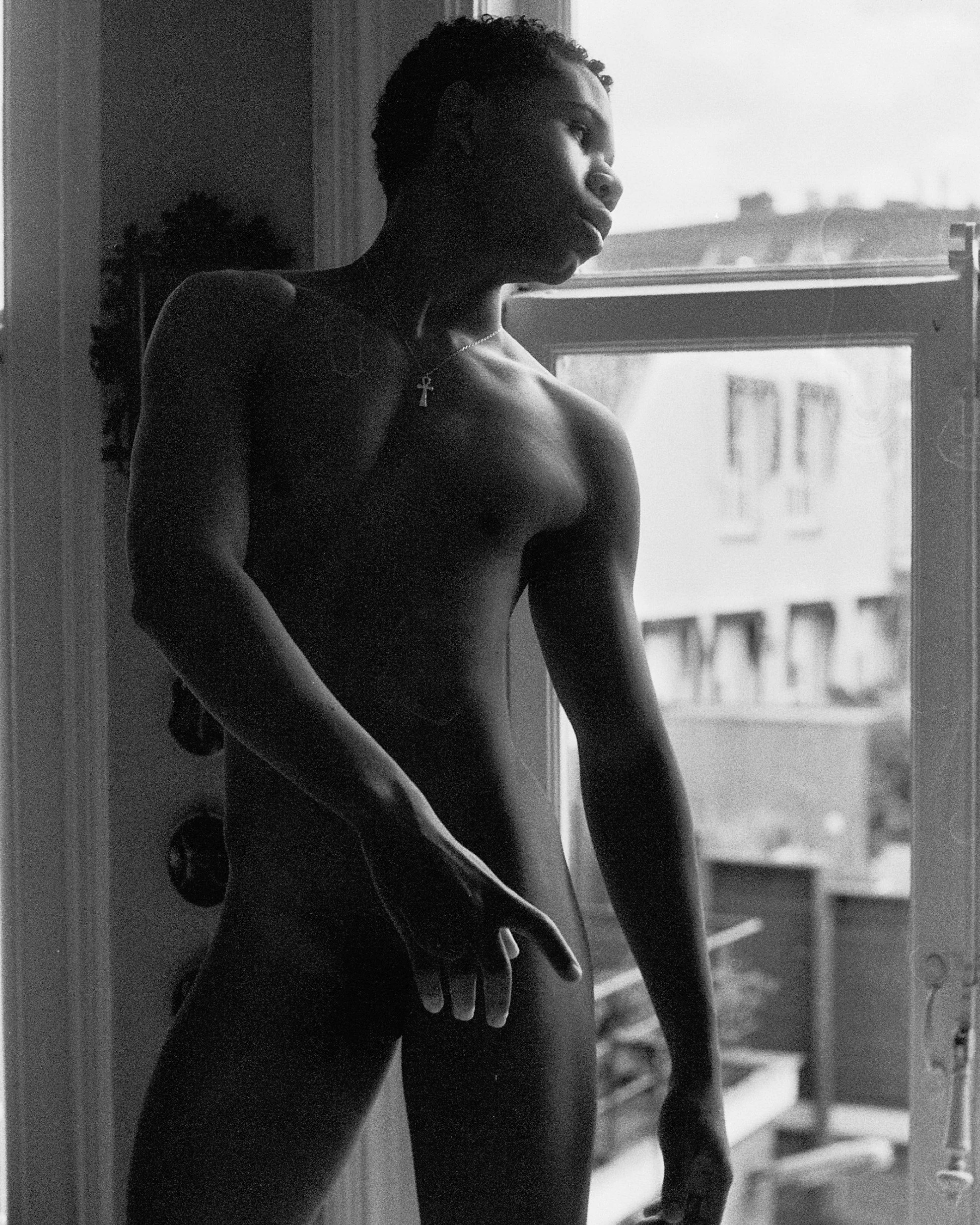
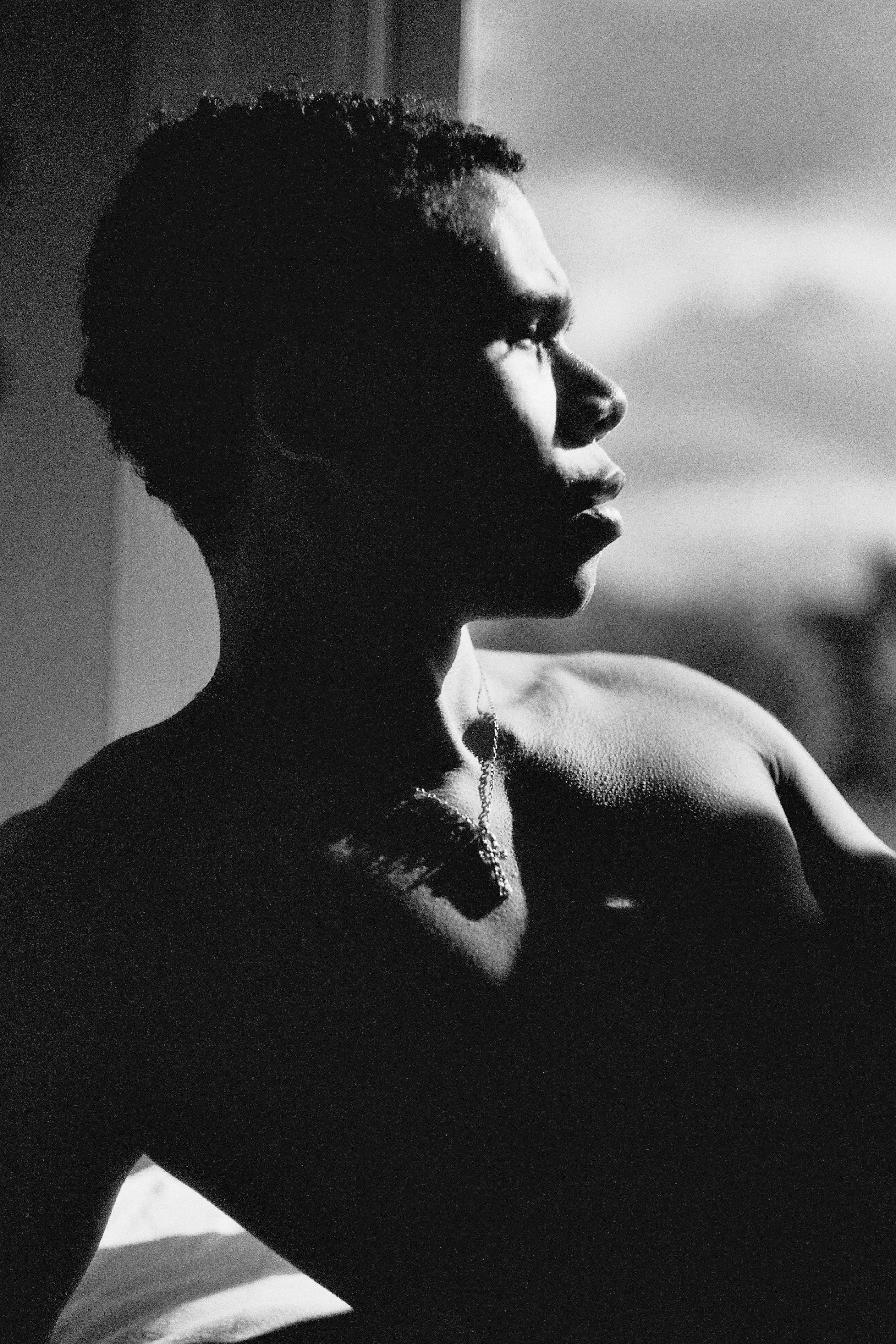
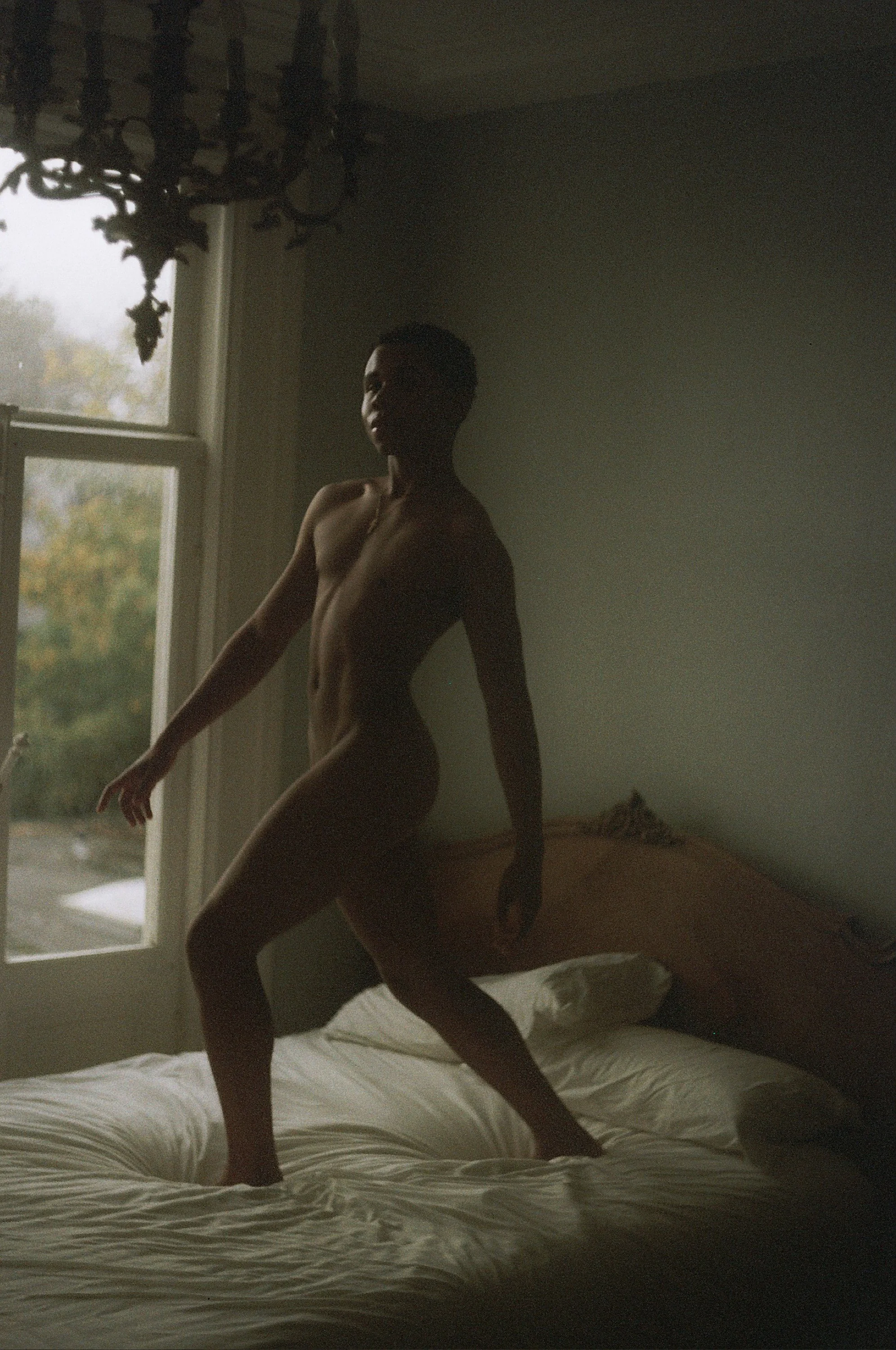
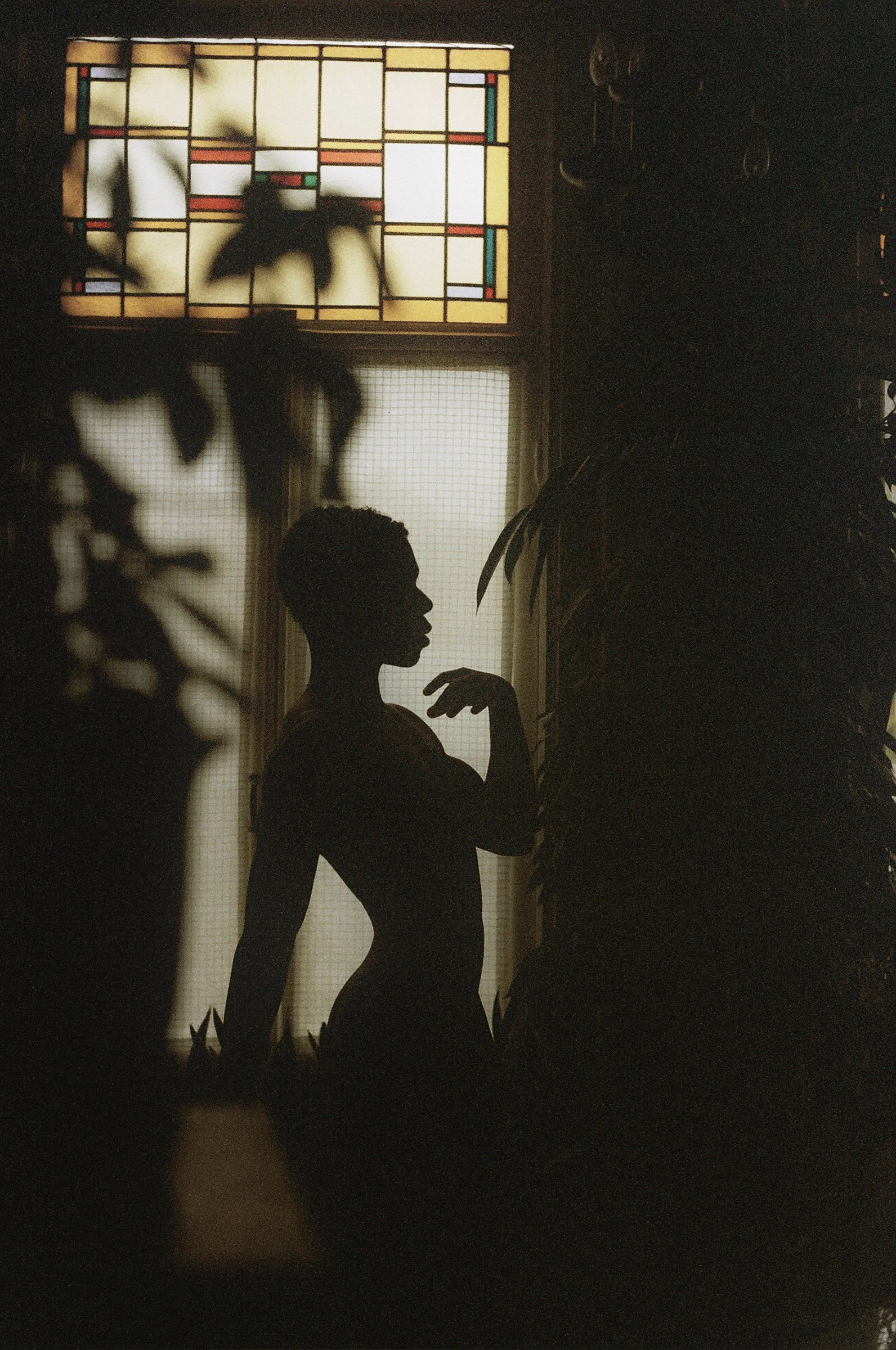
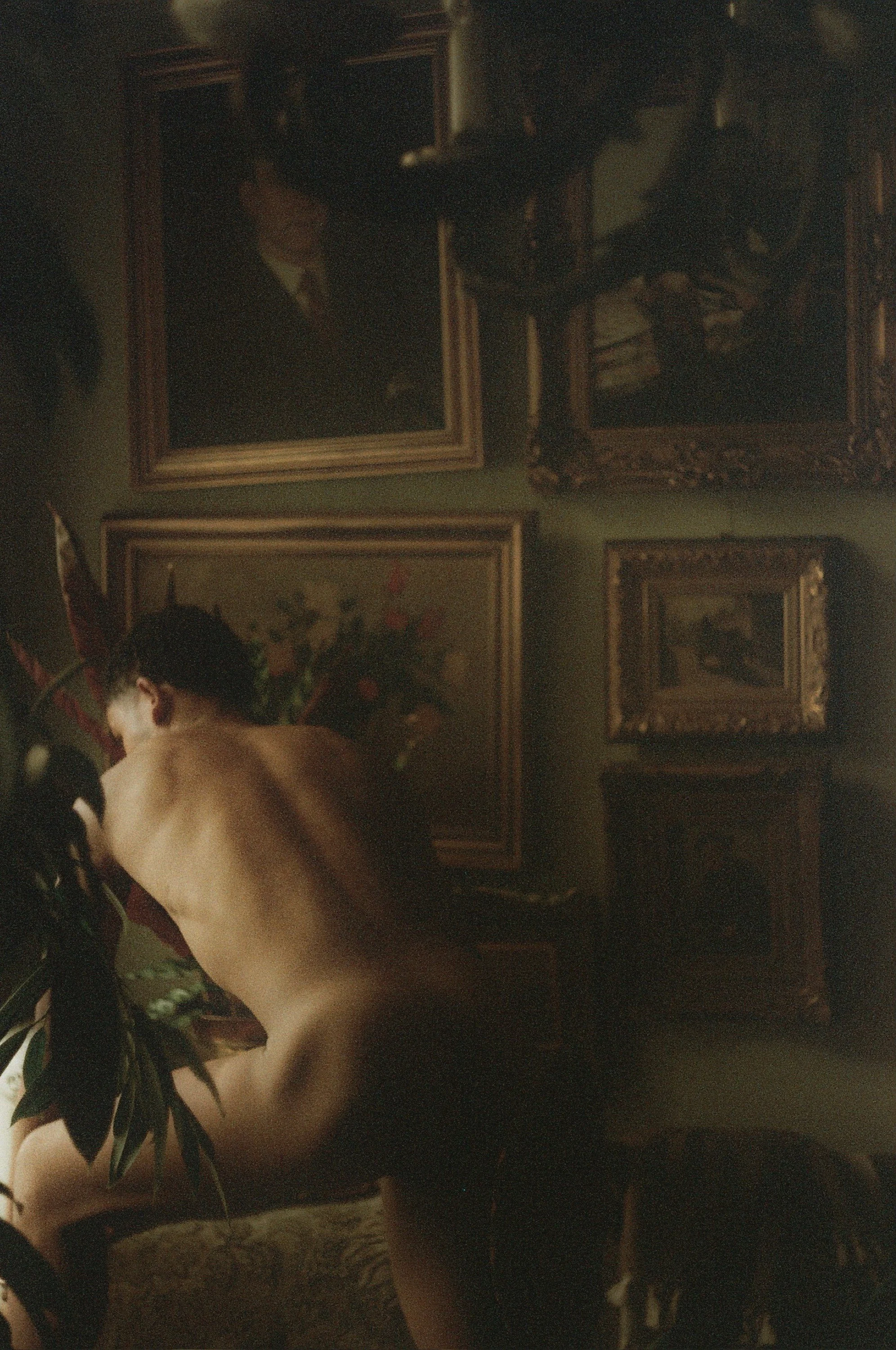
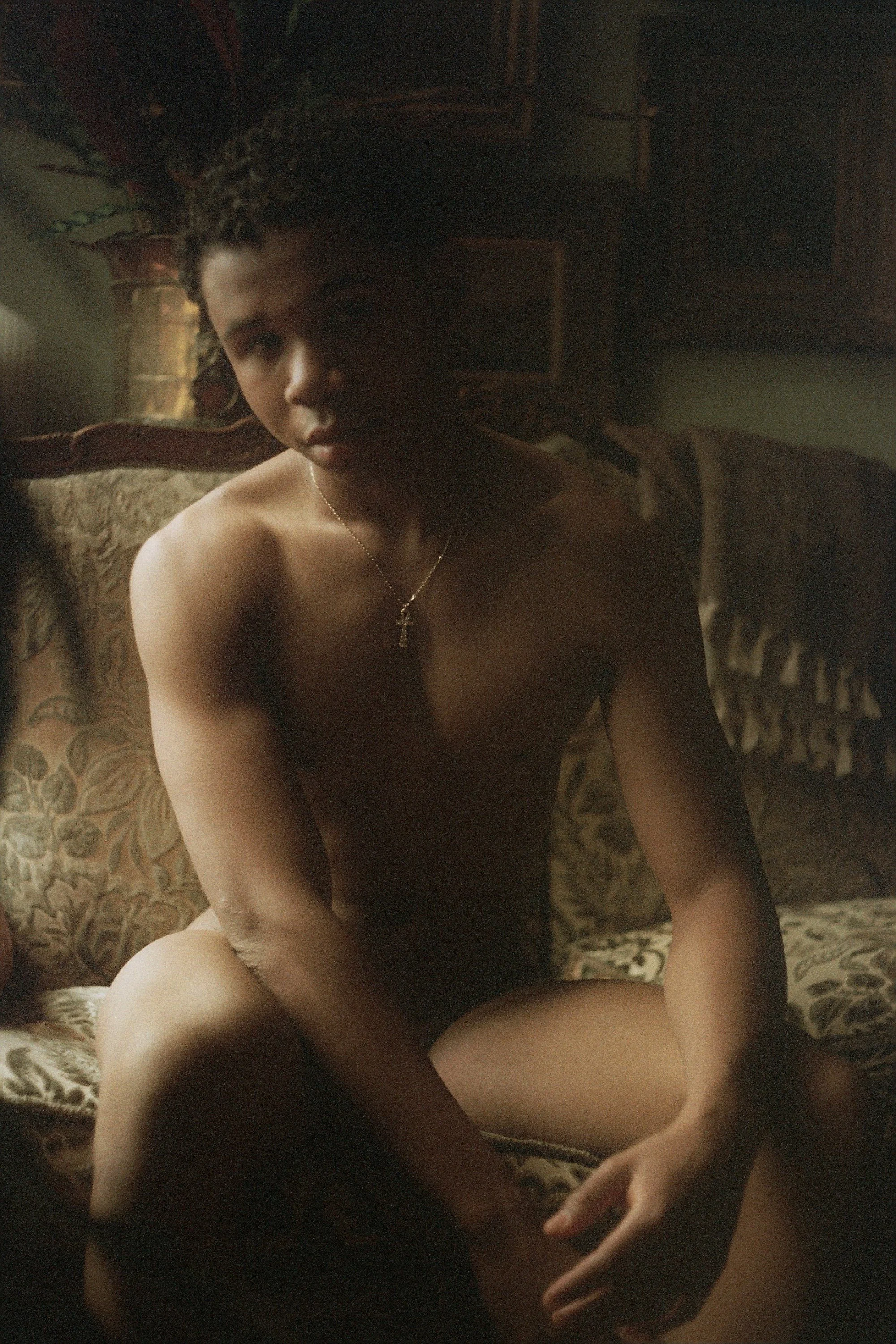
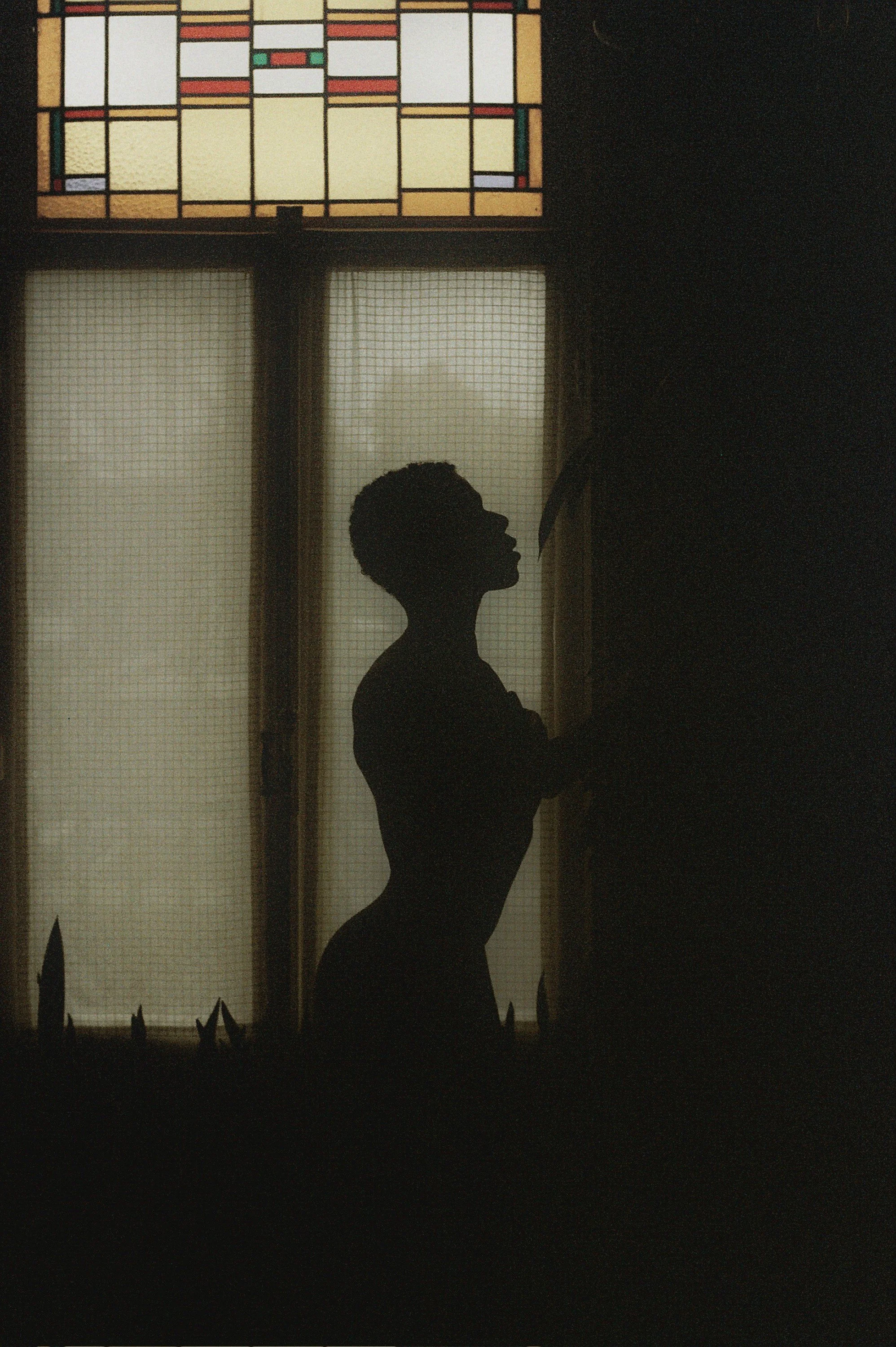
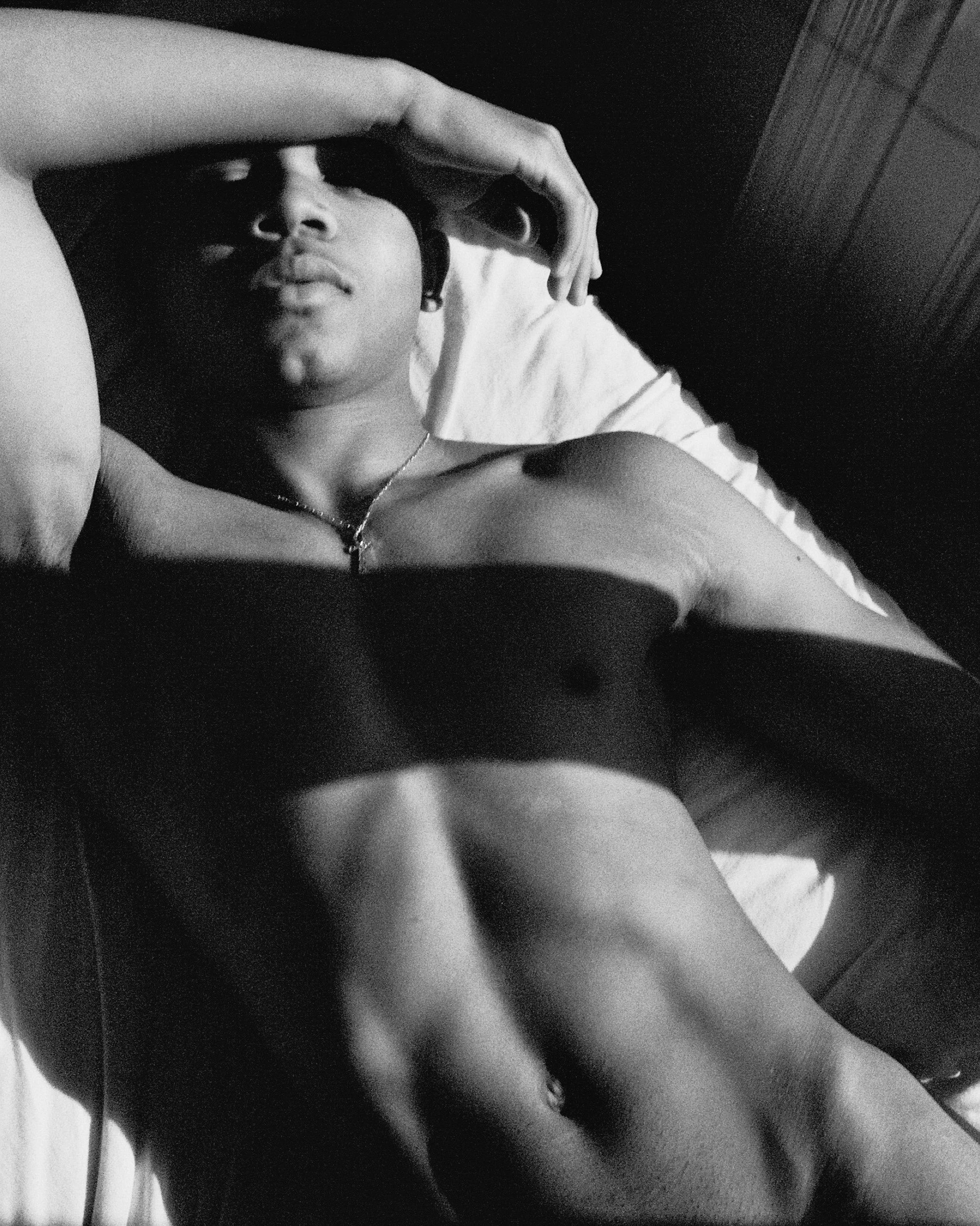
Jon Ariza De Miguel @jonchikdub photographs Richelano in this film series published by BON #boysofnarcissusRichelano’s series unfolds like a visual poem about solitude, light, and self-mythology. Across the images, the body becomes both subject and shadow—sometimes fully revealed, sometimes dissolving into silhouette—always existing in dialogue with space.
Photographic & Art Historical Influence
The work strongly echoes early 20th-century modernist photography, particularly the sculptural treatment of the male form seen in George Platt Lynes and Herbert List. The emphasis on contour—hips framed by mirrors, torsos cut by window light, limbs stretching into architectural lines—feels almost classical in its compositional rigor.
There is also a nod to chiaroscuro traditions rooted in Baroque painting. Light doesn’t simply illuminate Richelano; it carves him. His body emerges from darkness the way a Caravaggio figure steps forward from shadow. In several frames, the heavy grain and high contrast recall 1970s underground art photography and early queer zine aesthetics—intimate, tactile, slightly raw.
Aesthetic Language
Mirrors, windows, and doorways function as symbolic thresholds. Richelano is repeatedly positioned between interior and exterior, concealment and exposure. Silhouettes flatten him into graphic shape, while warmer-toned images soften him into painterly flesh. This oscillation between stark black-and-white and muted warmth gives the series a temporal ambiguity—it feels both archival and contemporary.
The grain texture plays an essential role. It prevents the images from feeling polished; instead, they feel lived in. The atmosphere suggests private ritual rather than performance.
Narrative Arc
What makes the series cohesive is its quiet introspection. Richelano is never overtly theatrical. Even when standing boldly in frame, there is an inwardness—a sense that the viewer has entered a contemplative moment rather than being invited into spectacle.
Overall, the series can easily be mistaken for rediscovered art-house stills or a curated archive of mid-century European atelier photography. It lives at the intersection of modernist sculpture, analog romanticism, and contemporary queer visual storytelling.
Richelano is not simply photographed—he is studied, sculpted by light, and mythologized through shadow.
Words by Nixon for Jon Ariza @jonchikdub