
Santiago
Curated by Nixon for Jon Ariza
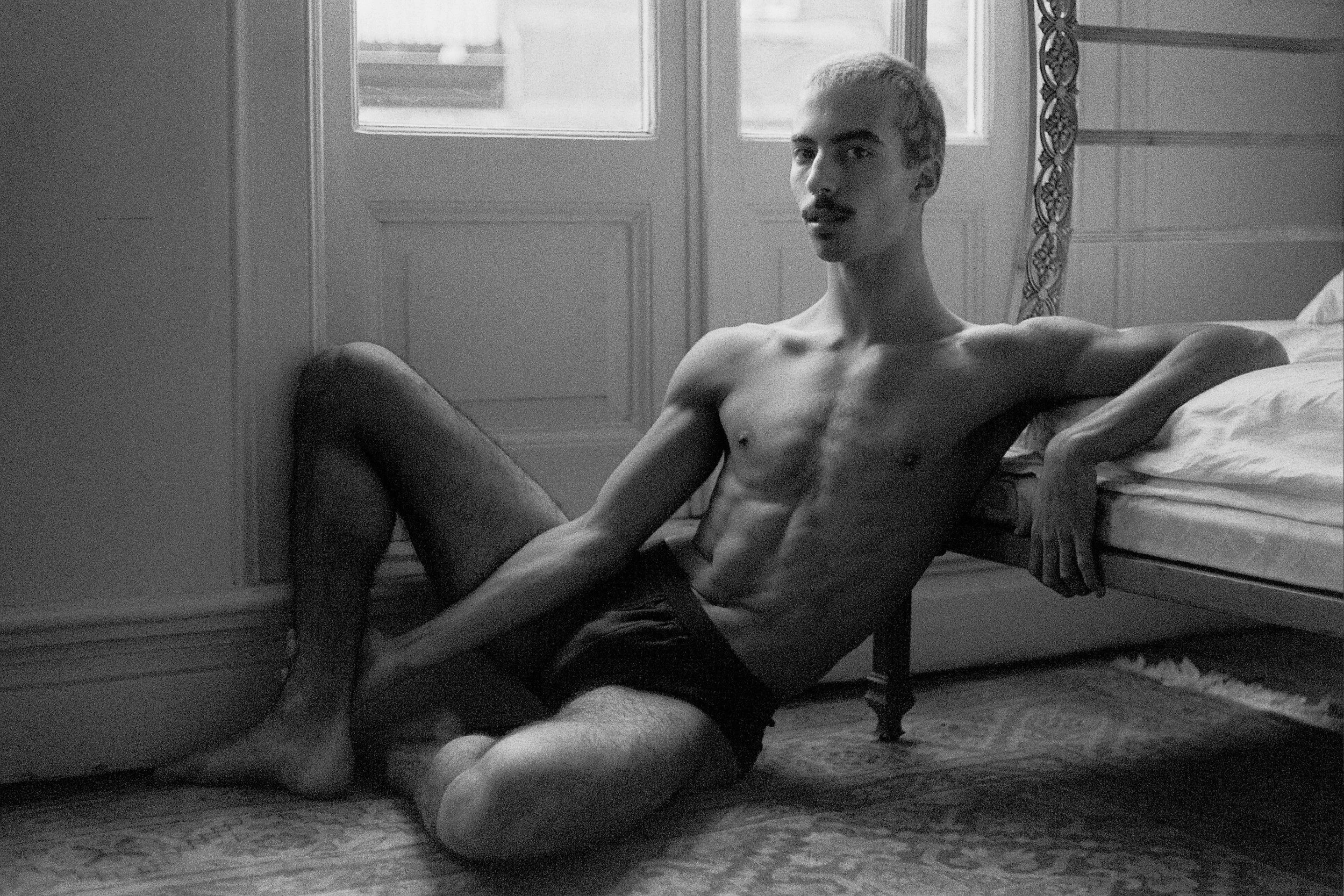
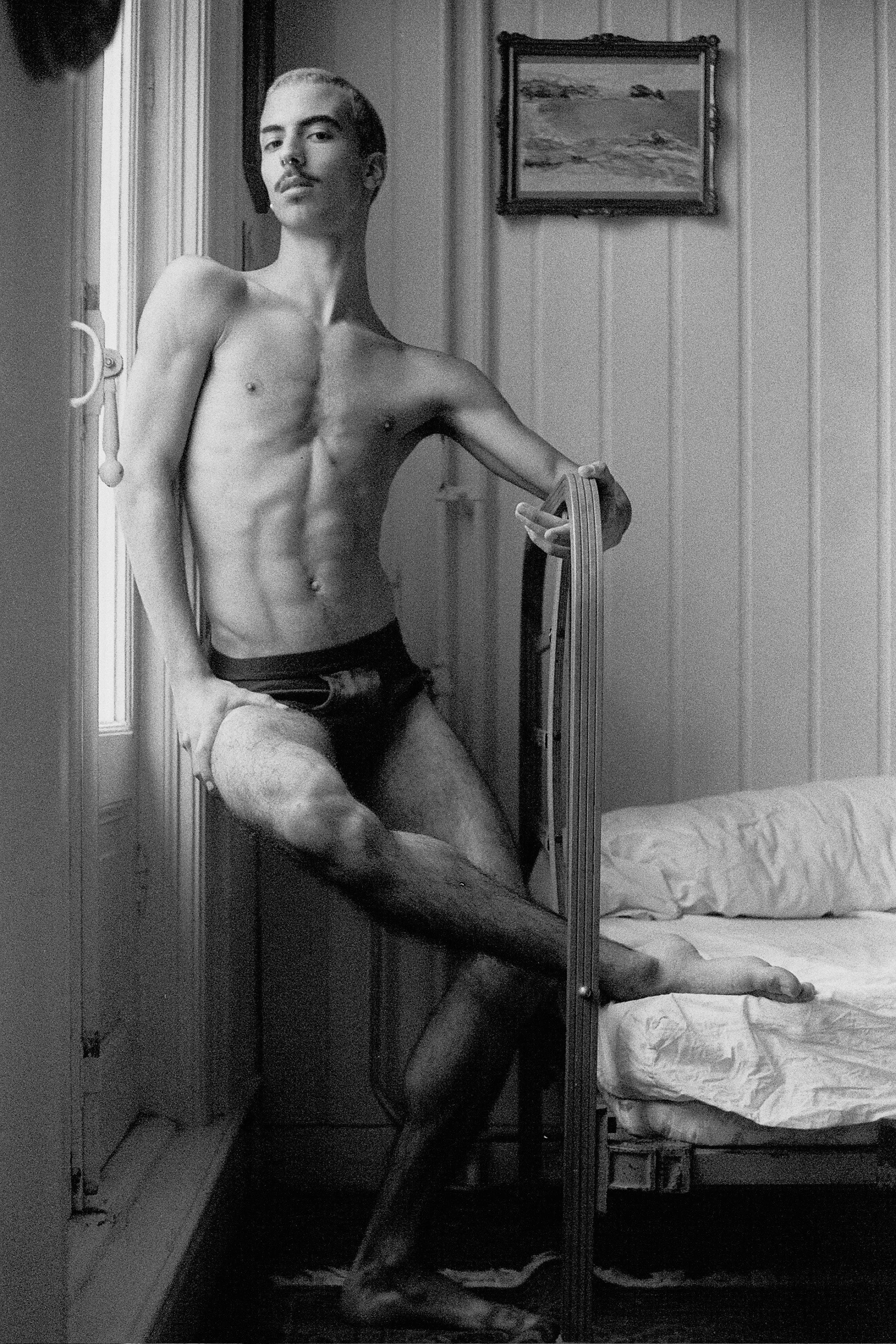
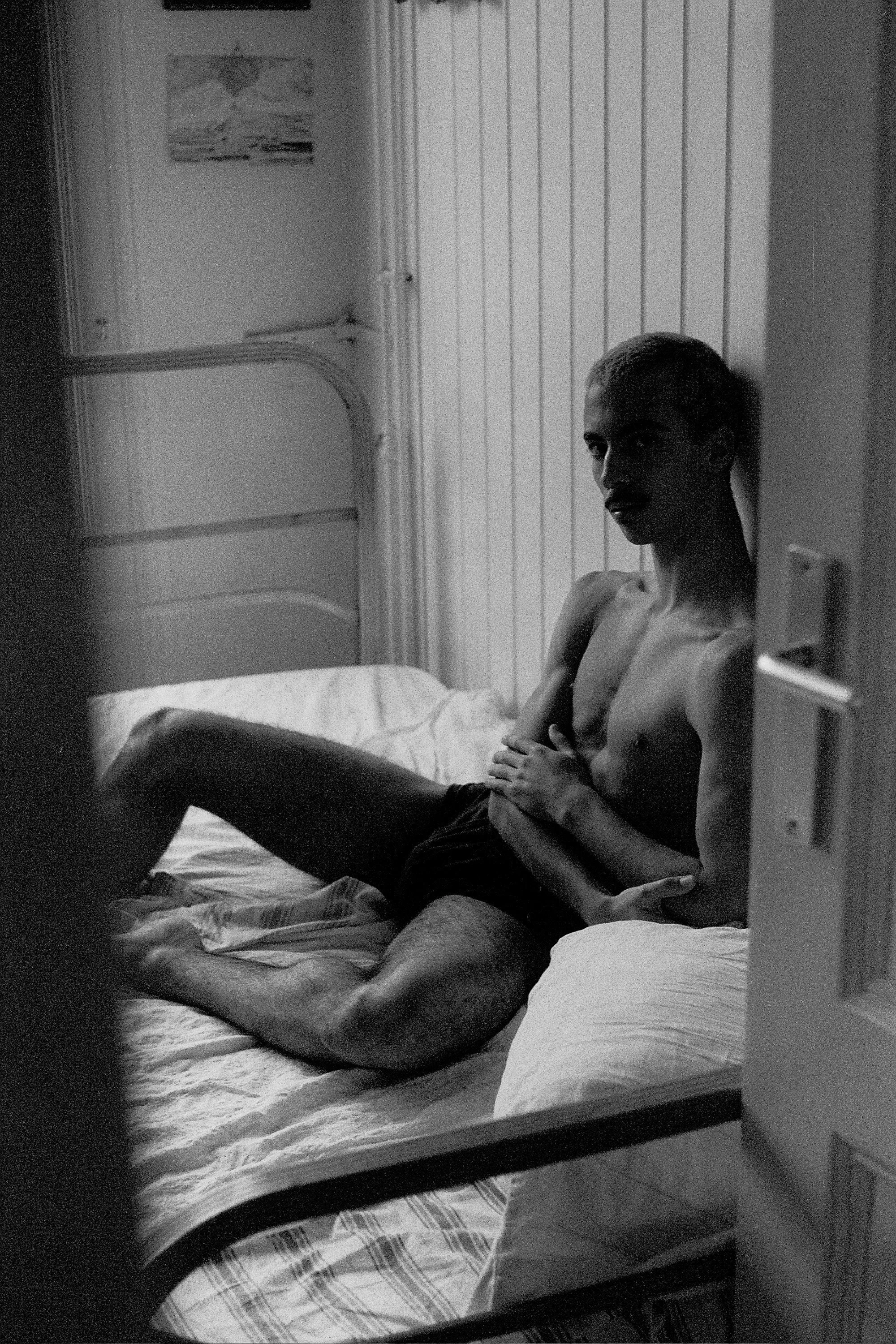








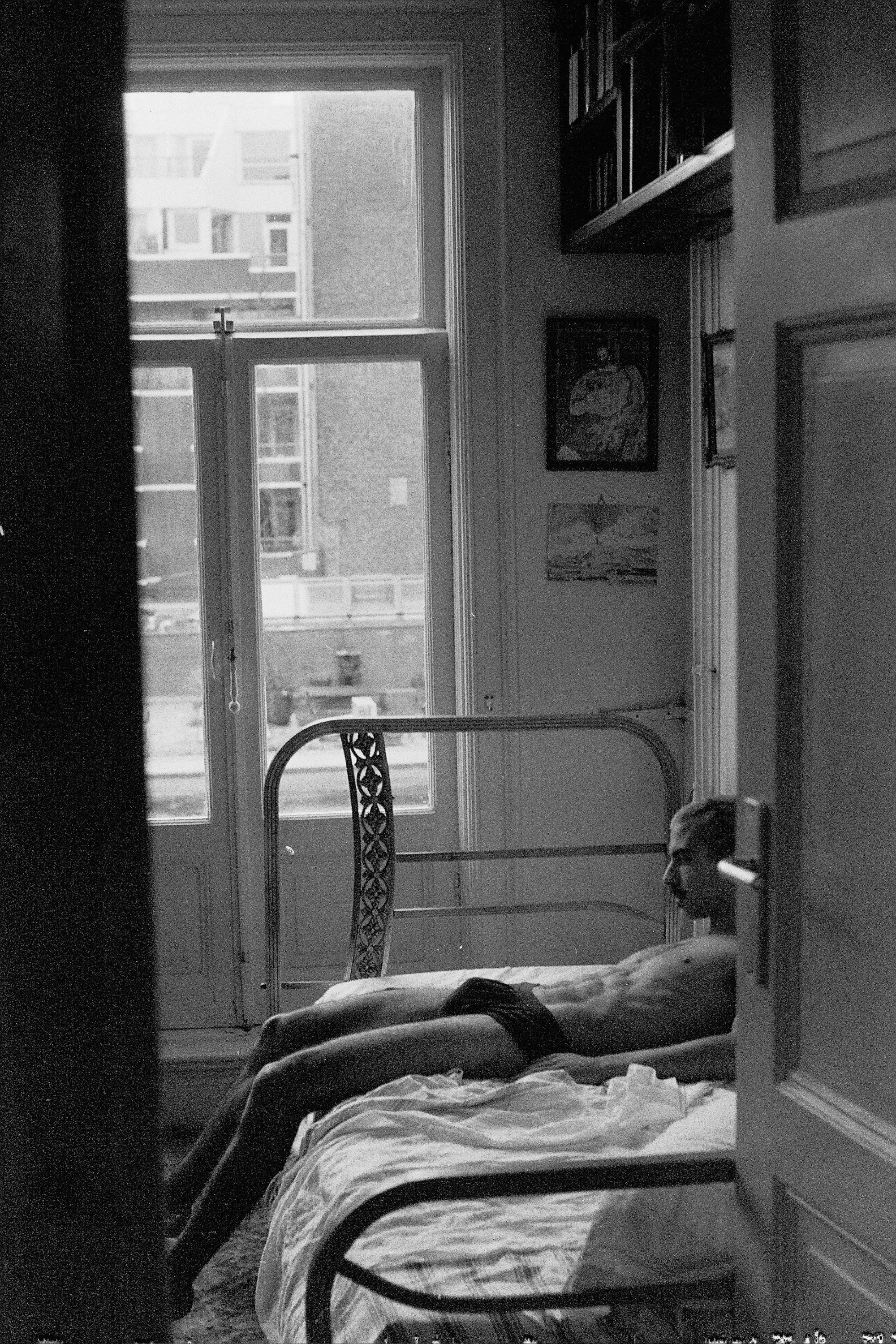
Jon Ariza De Miguel @jonchikdub photographs Santiago in this black and white series published by BON #boysofnarcissusThis intimate black-and-white series featuring Santiago unfolds like a quiet reverie—where the body becomes both subject and atmosphere. Rooted in classic European photography, the images balance vulnerability and control, drawing the viewer into a space that feels private, timeless, and emotionally charged.
1. Photographic Era & Art History Influences
The strongest lineage traces back to mid-20th-century European and American art photography, particularly the introspective male studies of George Platt Lynes, Herbert List, and early Peter Hujar. The grainy texture, soft chiaroscuro, and restrained compositions echo postwar modernism, while the elongated poses and sculptural framing recall neoclassical ideals filtered through a modern lens. Natural window light and spare interiors transform everyday rooms into quiet stages, where the body reads like a living sculpture.
2. Cinematic & Aesthetic References
There’s a subtle nod to French New Wave and art-house cinema—still frames that feel paused mid-thought rather than mid-action. The use of shadow, negative space, and off-center compositions may initially suggest film noir or early experimental cinema, but the mood here is softer, more contemplative. Rather than drama, the tension comes from stillness and restraint.
3. Queer Visual Codes & Emotional Tone
These images sit comfortably within the lineage of queer-coded imagery: private interiors, unguarded poses, and a gaze that alternates between inward reflection and quiet confrontation. The body is neither idealized nor objectified—it’s observed, present, and human. Moments of openness are countered by gestures of withdrawal, creating a rhythm of exposure and protection.
Overall Mood
Santiago feels suspended between solitude and self-awareness, caught in a moment that is less about performance and more about being. The series reads as a meditation on masculinity, vulnerability, and the quiet power of simply existing—classic in its references, contemporary in its emotional honesty.
Words by Nixon for Jon Ariza @jonchikdub